


Sharon Glazberg | Dormant
June 25 - August 01, 2026
Solo Show: Sharon Glazberg
The relationships between matter and word, life and death, are the forces at work in the works before us.
Here, they appear as a refusal of the dichotomous division represented by the words on either side of the hyphen. The exhibition title, Dormant, expresses the same idea:
"...for even in what is inanimate—dust, stones, and the like—there must necessarily exist a spiritual vitality, a mazal." So it is written in Etz Chaim by Rabbi Chaim Vital.
In the period following the Second World War, rubbings were made from Jewish gravestones just before they disappeared forever. A rubbing—also known as ‘frottage’—is a technique for reproducing a texture or surface, capable of revealing, for example, an inscription carved into stone that has gradually become concealed over time. The stone bears the traces of life; the letter impressed into matter is always, and necessarily, a sign of life.
The opening statement of the Sefer Yetzirah declares that the thirty-two paths of creation consist of the ten sefirot and the twenty-two letters of the Hebrew alphabet. The letter precedes the word. It is the beginning of creation—but an act of creation that is not yet complete. Creation at the threshold of the letter is a moment in time, the instant before the seal: the seal of the word, which is the seal of meaning. The word has the power to render the living closed and fixed, sealed and mute, whereas the letter remains open to possibility.
Matter itself—the “inanimate”—is not devoid of life; it contains life in a dynamic state of becoming. The stone sculptures in the exhibition carry within them animals; a horse, a bird- not as finished forms but as presences still concealed within the material, seeking either to be born or to be buried. The stone does not decide whether it is a tomb or a womb. What precedes birth and what follows death remains concealed within matter, and matter is therefore always pregnant, bearing them within itself, encoding life, preserving a secret. So too, the sculpture is never fully revealed to the eye. It is always simultaneously visible and hidden, much like life itself.
In other works, the body itself appears through frottage. A woman lays her body upon graves, extracting signs of life from the stone into her own body. Nothing less will satisfy her. The knowledge engraved in the stone becomes inscribed upon her flesh. In this way, she narrows the distance (between life and death, between matter and word). Creation takes place in darkness, upon the face of the abyss, the moment after the abyss, the moment before the world's great ordering, before its clear and deceptive contours, before the name, before the word, before life and after death."They must contain an animating vitality."
Vitality is motion. It seeks an open space in which it can move. The impulse that runs through the body of work is the desire to remain alive, that is, to leave room for doubt, room for change, like a letter: an open field of possibilities.
— Esther Peled, June 2026
דוֹמֵם־חַיָה
שרון גלזברג
תערוכת יחיד
יחסי חומרמילה, חייםֹ־מוות, הם היחסים הפועלים בעבודות שלפנינו. זהו מופע של סירוב לחלוקה הדיכוטומית שהמילים משני צידי המקף מייצגות. כך גם שם התערוכה, דומם־חיה:
"שאפילו בדומם שהוא עפר והאבנים וכיוצא בהם הוא מוכרח שיהיה בהם חיות רוחניות מזל [...]" כך כתוב בספר "עץ חיים" לר' חיים ויטאל (ל"ט; ג') .
בתקופה שלאחר מלחמת העולם השנייה נעשו מיחויים של מצבות יהודיות, רגע לפני שנמחקו סופית. "מיחוי" - טכניקה המכונה גם "פרוטאז' – (Frottage) " הוא העתקה של טקסטורה או מרקם, שבאמצעותה ניתן לחשוף, למשל, כתב שחרוט על אבן, שהפך לסמוי במהלך הזמן; האבן נושאת עליה עקבות של חיים. האות הטבועה בחומר היא תמיד, ובהכרח, אות-חיים.
המשפט הפותח את "ספר יצירה" מצהיר כי שלושים ושתיים דרכי הבריאה הן עשר הספירות ועשרים ושתים אותיות השפה העברית. האות קודמת למילה. היא ראשית הבריאה, היא אקט של בריאה, אבל בריאה שעוד לא הושלמה, בריאה על-סף. אות היא רגע-בזמן, רגע לפני החתימה, חתימת המילה, שהיא חתימת המשמעות. בכוחה של המילה להפוך את החי לחתום וסגור, אטום ובלום. ואילו האות פתוחה לאפשרויות.
גם החומר, ה"דומם", אינו חסר חיים; יש בו חיים במצב דינמי של בריאה. פסלי האבן בתערוכה נושאים בתוכם בעלי חיים - סוס, ציפור - לא כצורות גמורות, אלא כישויות הנסתרות עדיין בתוך החומר, מבקשות להיוולד או להיקבר. האבן אינה מכריעה אם היא קבר או רחם; מה שקודם ללידה ומה שאחרי המוות מסתתרים בתוך החומר, והחומר, לכן, הוא תמיד בהיריון, נושא אותם, צופן בקרבו חיים, צופן סוד. כך גם הַפֶּסֶל: לעולם אינו נגלה לעין במלואו, תמיד נגלה ונסתר, כמו החיים עצמם.
בעבודות אחרות מופיע מיחוי של הגוף: אישה משתטחת על קברים, מחלצת אותות חיים מן האבן אל גופה. שום דבר פחות מזה לא ישכנע אותה. הידע החקוק באבן נחקק בגופה. כך היא מצמצמת את הפער (בין חיים ומוות, בין חומר ומילה). הבריאה מתרחשת באפלה, בחושך-על-פני-תהום. זה הרגע שאחרי התהום, הרגע שלפני הסדר הגדול של העולם, שלפני קווי המתאר הברורים, המתעתעים - השם, המילה. לפני החיים ואחרי המוות, "מוכרח שיהיה בהם חיות".
חיות היא תנועה, היא מבקשת חלל פתוח שבו אפשר לנוע. הבקשה הנוכחת במכלול העבודות היא להישאר בחיים, כלומר, להשאיר מקום פתוח לספק, פתוח לשינוי, כמו אות - מרחב של אפשרויות.
-אסתר פלד, יוני 2026
Read More
Links
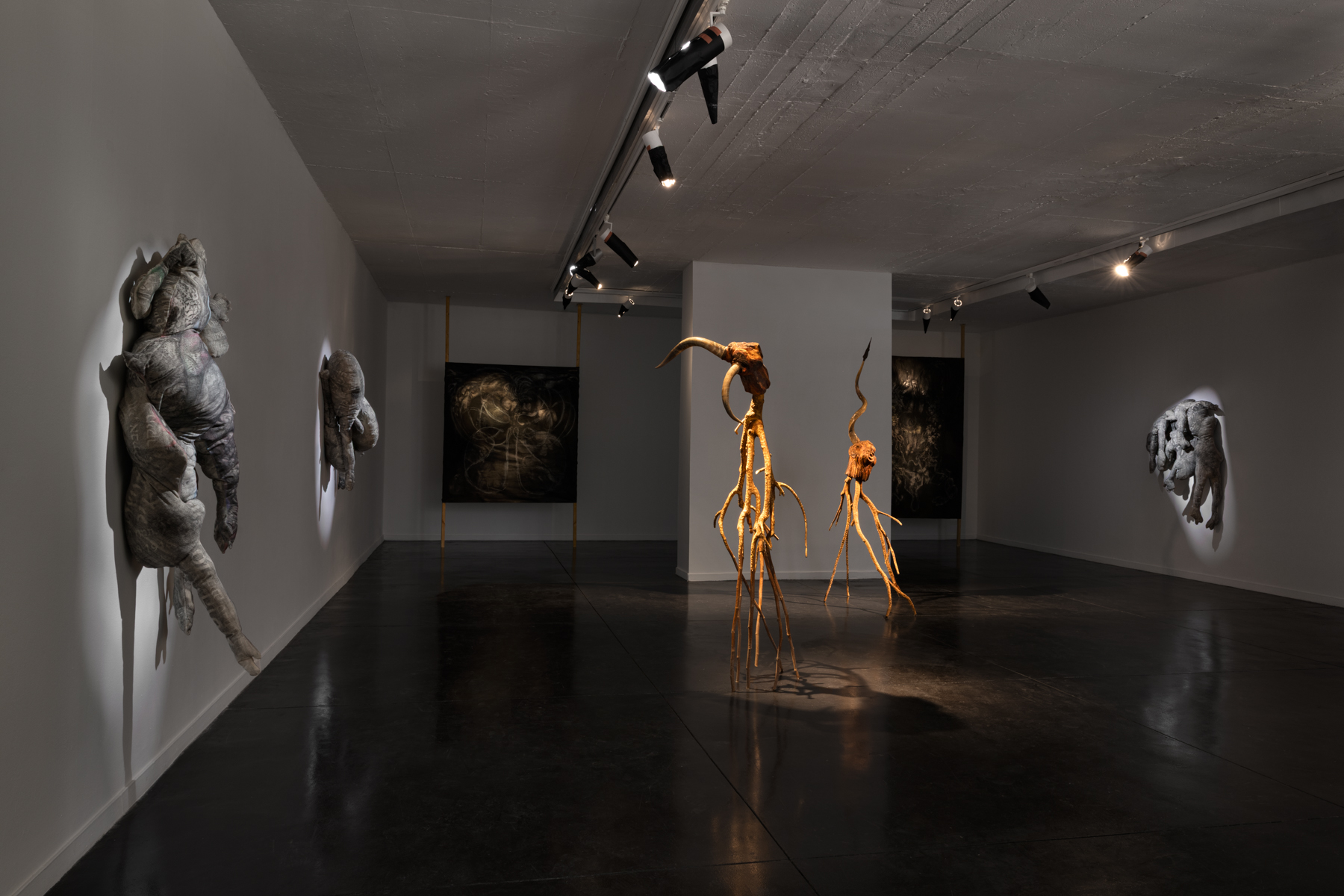
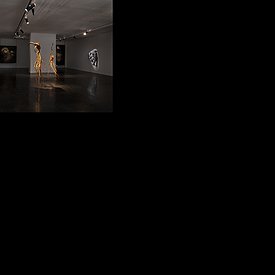
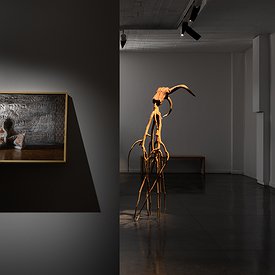
Sharon Glazberg, Dormant, 2026, Installation View at RawArt Gallery, Photo Credit: Lena Gomon
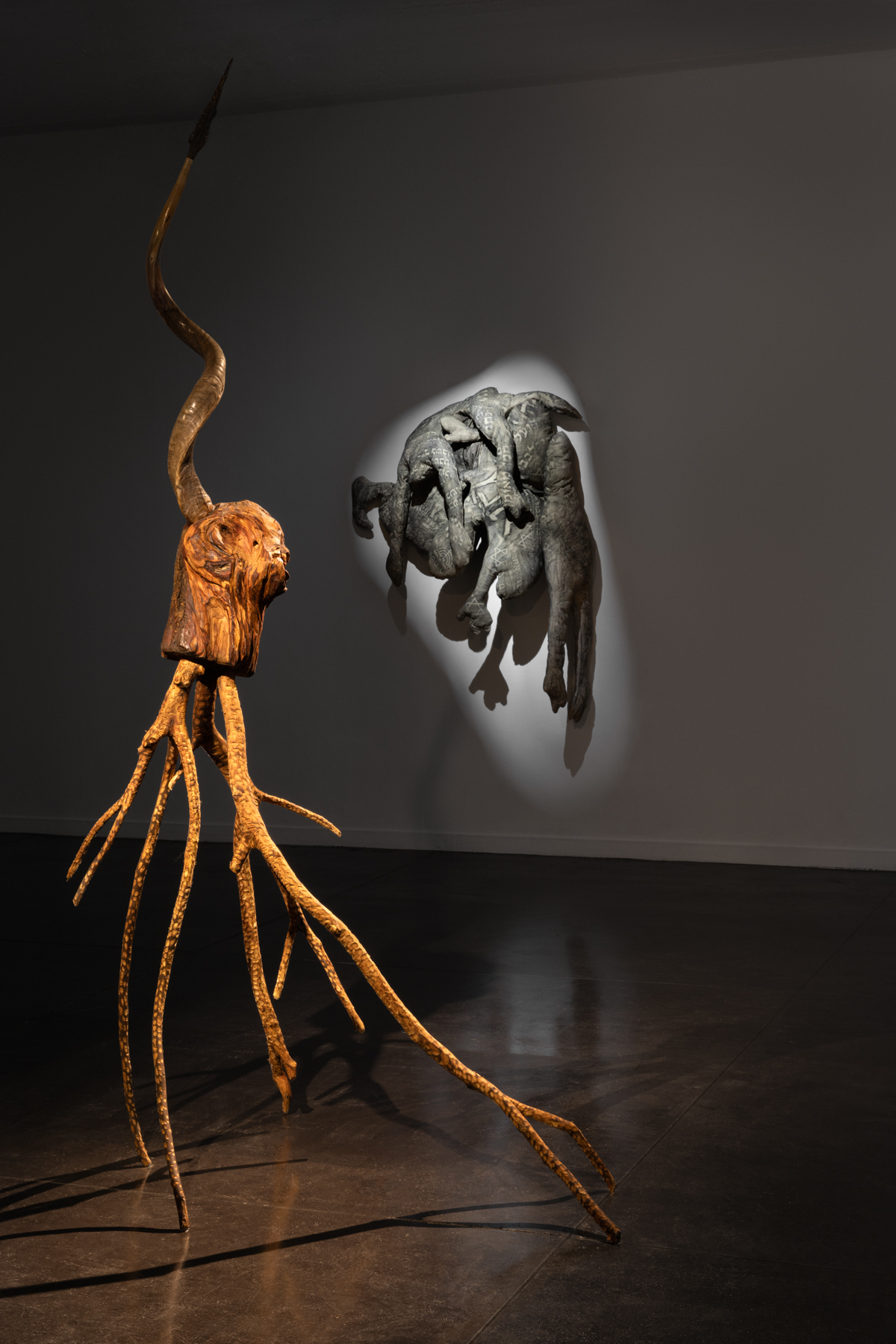
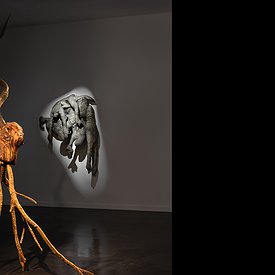
Sharon Glazberg, Dormant, 2026, Installation View at RawArt Gallery, Photo Credit: Lena Gomon
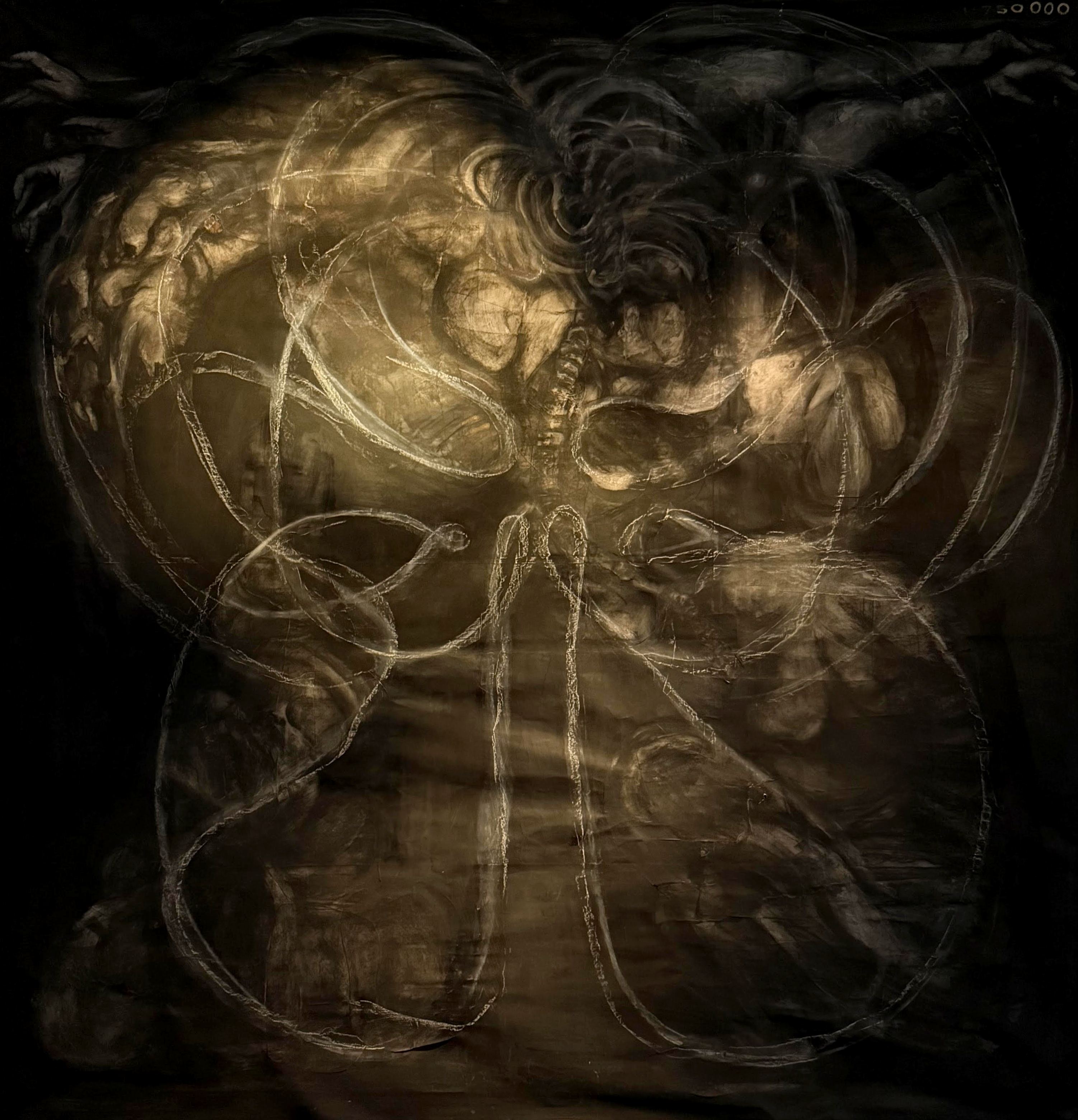
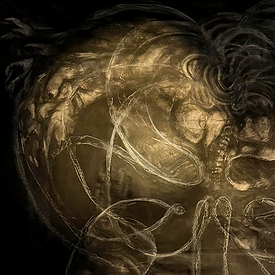
Sharon Glazberg, מעשה מם, 2026, Xerox, charcoal and acrylic on a map, 176x170 cm
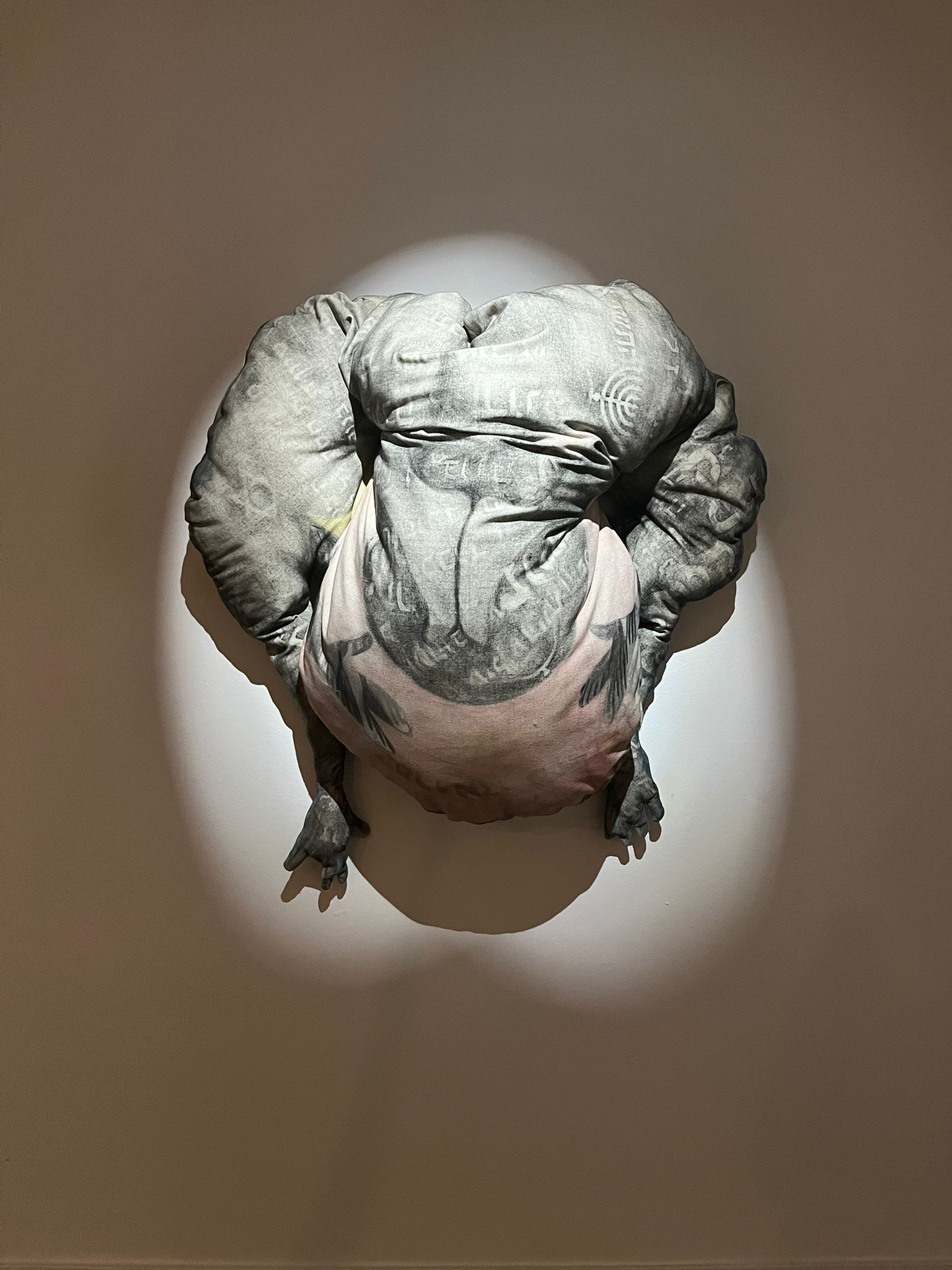
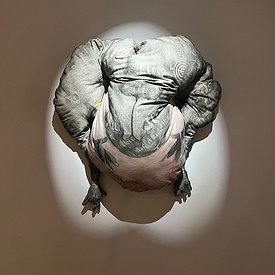
Sharon Glazberg, אות חיים 4 (Detail), 2026, Textile sculpture, charcoal frottage on canvas, 110x107x45 cm
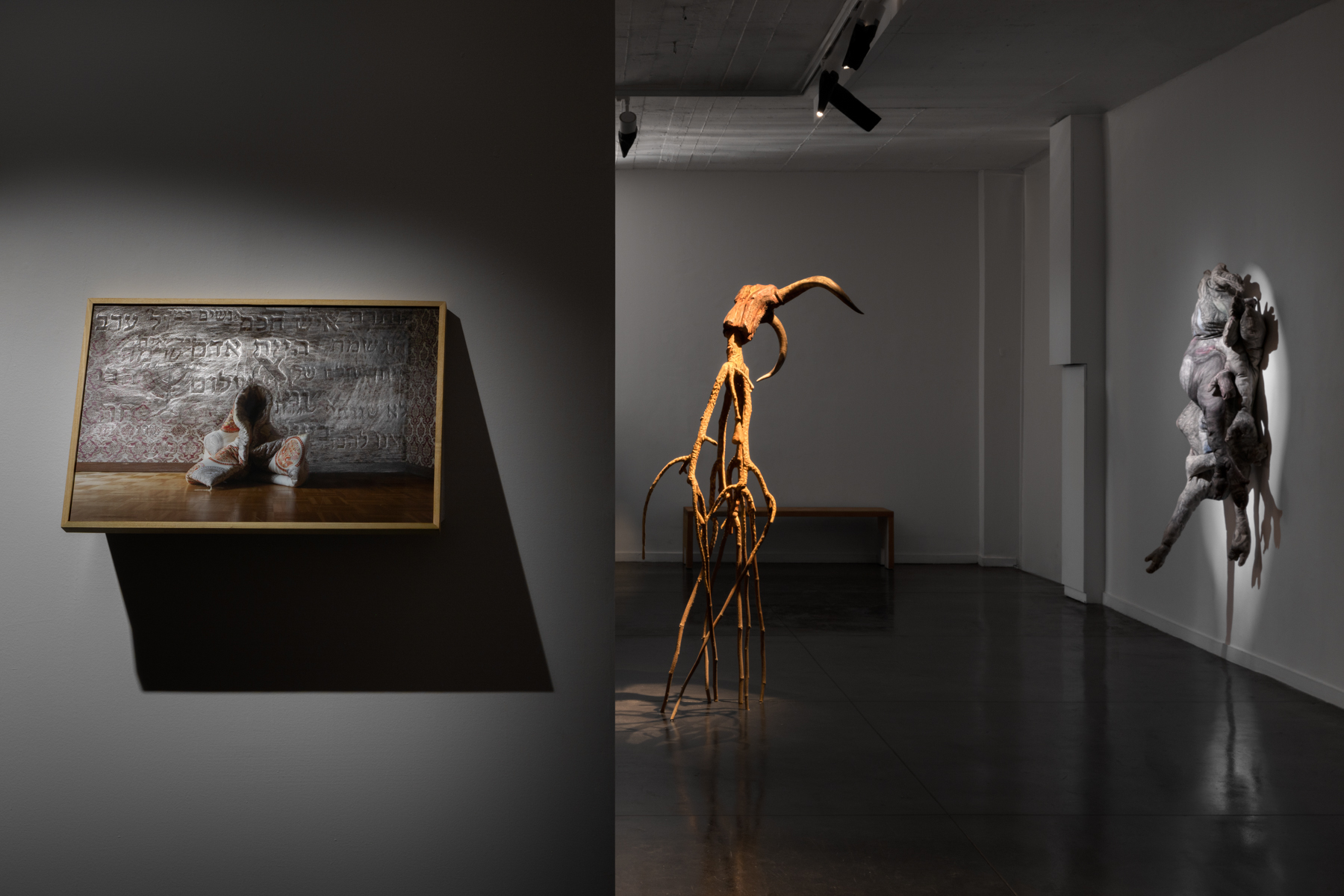
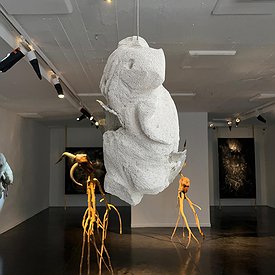
Sharon Glazberg, Dormant, 2026, Installation View at RawArt Gallery, Photo Credit: Lena Gomon
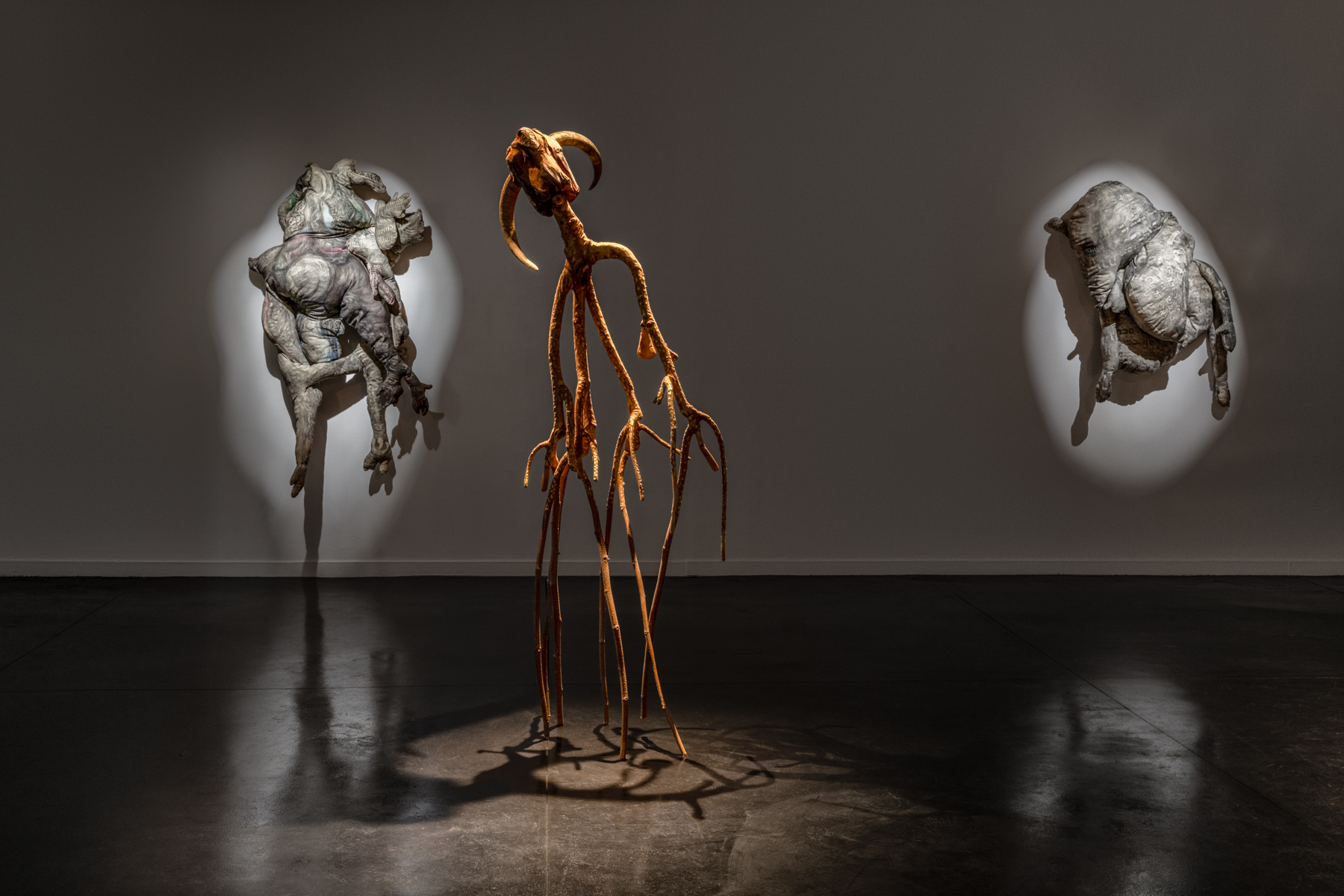
Sharon Glazberg, Dormant, 2026, Installation View at RawArt Gallery, Photo credit: Lena Gomon
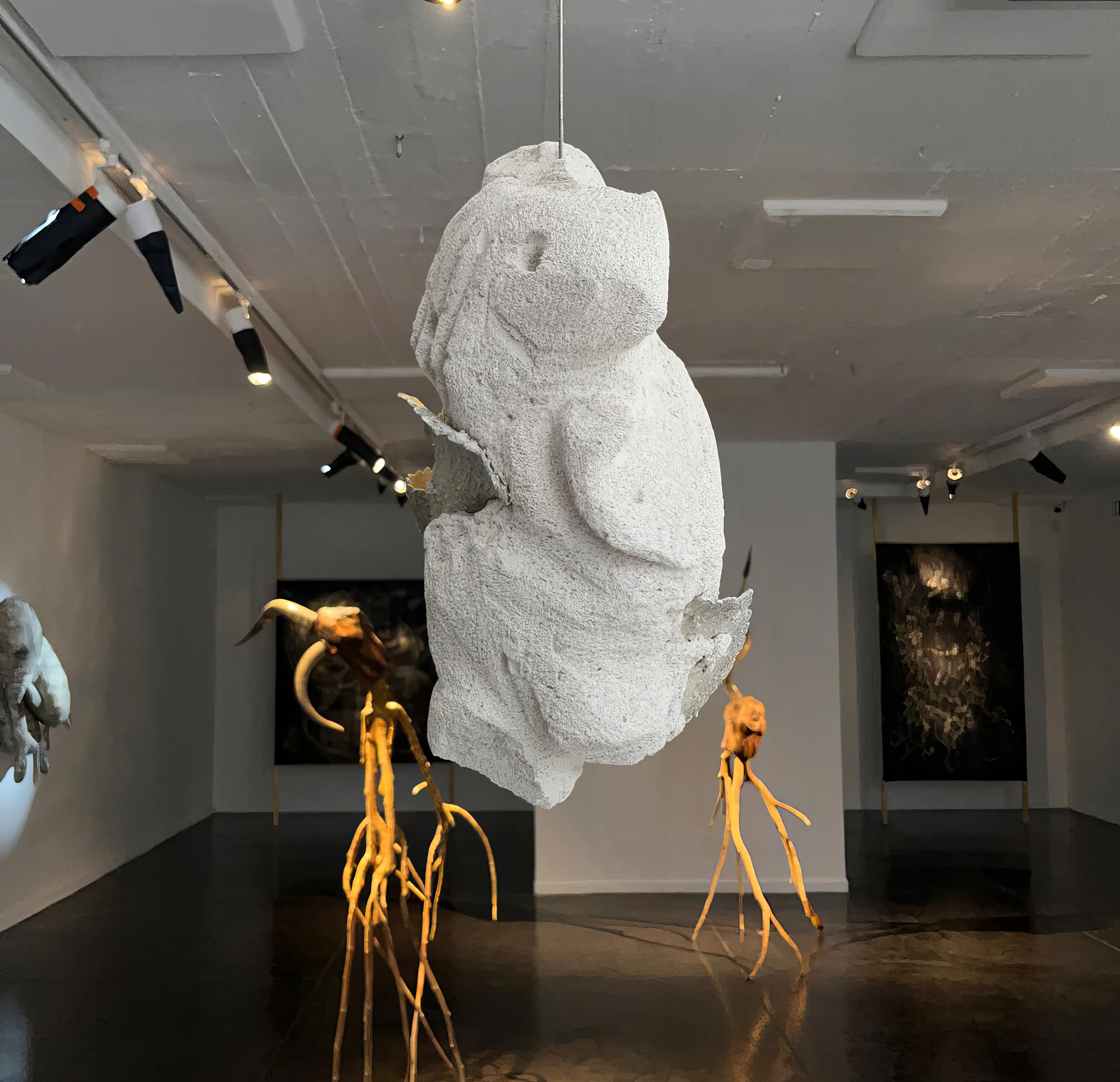
Sharon Glazberg, Dormant, 2026, Installation View at RawArt Gallery